Review: The Best Everyday Carry Pens for Commuters
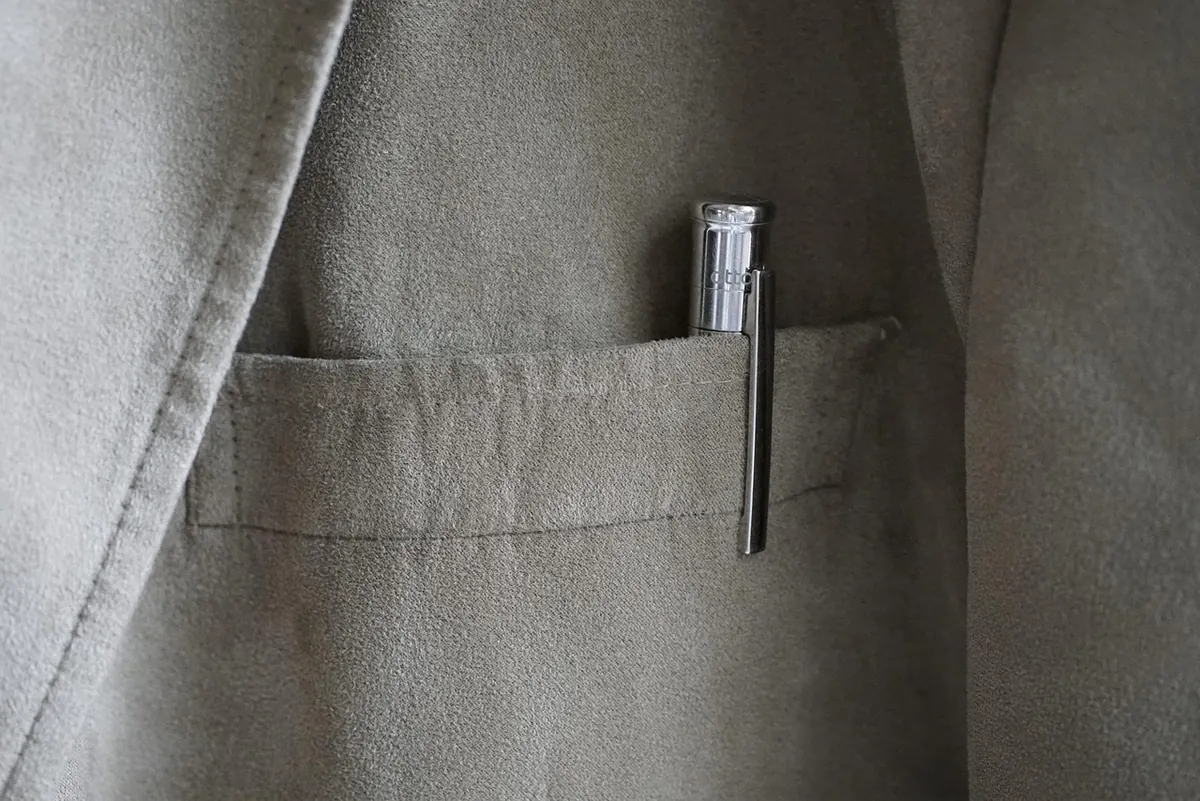
Commuting is unkind to pens. One day yours is rattling against a bunch of keys in a coat pocket; the next it is being asked to sign for a parcel in the rain, or to scribble a reminder on the back of a ticket while you are wedged against a stranger's rucksack. The pen that copes with all of that is rarely the polished thing sitting on your desk at home. It needs to be tough enough to survive a bag, small enough to vanish into a jacket, and quick enough to dry before your sleeve finds it.
I carried five pens through a fortnight of trains, buses and wet walk to the station, and the differences between them were far bigger than the specs suggest.
What a commuter pen actually has to do
Three things matter, and they pull against each other. Durability means a body that will not crack when it is sat on, a clip that will not snap off in a bag, and a mechanism that still works after a few hundred clicks. Portability means a length and weight that disappear into a trouser pocket rather than digging into your leg. Quick-drying ink means you can write a note, close the notebook and put it away without wearing the result on your hand.
A pen can be excellent at two of those and poor at the third, which is why a single recommendation for everyone would be dishonest. Here is what I would treat as a deal-breaker in any of them:
- A clip that is metal, or at least thick moulded plastic — thin plastic clips are the first thing to go.
- A retractable or securely screwing cap. Push-on caps loosen, and loose caps mean ink on the inside of your bag.
- A refill you can actually buy again, ideally from a supermarket or a high-street stationer rather than one specialist site.
- No glossy lacquer on the grip. It looks smart for a month and then slides around in a warm hand.
Ink drying, in plain terms
Drying speed is mostly about the ink, not the brand's marketing. Oil-based ballpoint ink is thick and sits shallowly on the paper, so it is effectively dry as soon as the nib leaves it. That is why cheap ballpoints are still the safest thing to sign a delivery note with. Standard gel ink is the opposite: it lays down a wetter, more saturated line and can take a moment to settle, particularly on smooth or coated paper.
In between sit the hybrid or emulsion inks, which flow more easily than a ballpoint but dry far faster than most gels. For a commute, that middle ground is usually where you want to be.
If you are left-handed
Everything above matters twice as much. Rest your hand on a sheet of cheap paper and drag it across a wet line of gel ink and you will understand immediately. Two practical fixes: choose a hybrid ink or a fine gel refill, and shift your grip so your hand sits below the writing line rather than trailing over it. Rotating the page slightly, rather than the pen, also helps. Cheap absorbent paper dries ink faster than a smooth notebook, though you will get a little more show-through.
The shortlist
Five pens, each carried clipped to a shirt pocket, dropped into a jacket pocket with keys, and used for the sort of hurried notes a commute actually produces.
Uni-ball Jetstream
The best all-rounder here, and the one I would hand to somebody who wants to stop thinking about pens. The hybrid ink dries quickly, writes cleanly without much pressure and does not smudge under a left hand. The refills are widely stocked, and the retractable mechanism has survived a fortnight of fidgeting with no rattle. The plastic-bodied versions feel light but not flimsy.
Pentel EnerGel
A gel pen that behaves itself. The ink is noticeably faster-drying than a standard gel, the line is dark and smooth, and the retractable body has a firm, positive click. It is a joy for quick notes and lists, though it is still a gel: on glossy till receipts it will smudge where the Jetstream will not. The needle-point refills suit small handwriting.
Zebra Sarasa Dry
Selected specifically for drying speed, and it delivers. Lines are dry enough to close a notebook over almost immediately, which makes it the pen I reach for when writing on a moving train. The clip is generous and grips a thick jacket seam properly. The trade-off is a slightly drier, less buttery feel than the EnerGel — perfectly pleasant, just less indulgent.
Fisher Space Pen Bullet
The pocketability champion. With the cap posted it becomes a full-size pen; with the cap screwed on the back it is short enough to live in a coin pocket without being noticed. The pressurised refill writes in cold weather, at an angle, and upside down, which matters more than you would think when you are standing on a platform trying to write on a folded ticket. The cap is a thing to keep track of, and the refills cost more than a supermarket ballpoint's.
Parker Jotter
The grown-up option. Stainless steel, a proper click, and a shape that has been copied for decades because it works. It takes a standard oil-based ballpoint refill, so it is dry on contact and it will not let you down on a delivery signature. It is heavier than the plastic pens here, which some people love and others notice after an hour in a shirt pocket. Not the fastest writer, and the line is a little pale compared with the hybrid inks.
Worth a mention: a pocket fountain pen
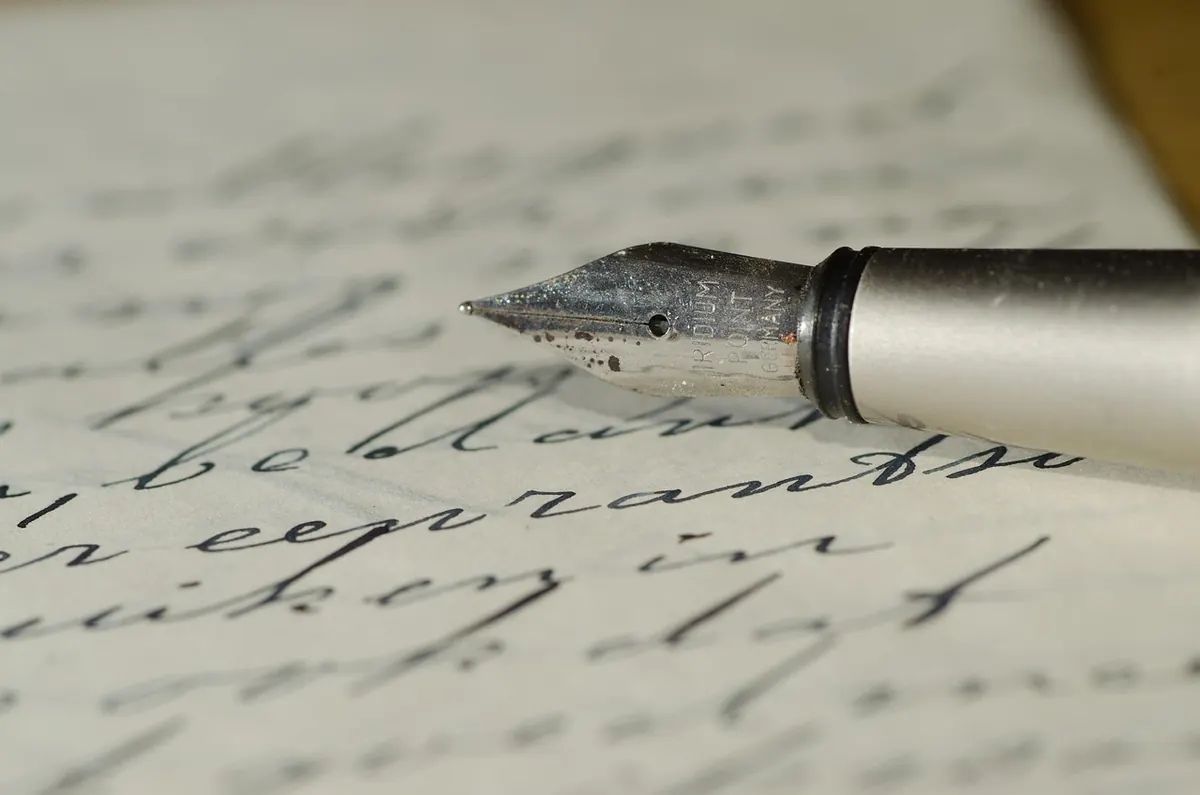
If you prefer a fountain pen, a small screw-cap pocket model is the only sensible commute option — the cap seals, so it does not dry out, and it stays shut in a bag. Keep it filled with a quick-drying ink, expect slightly longer drying times than any of the above, and accept that a fine nib on cheap paper is your friend.
How these were tested
Each pen went into rotation for at least two days of ordinary commuting: clipped to a shirt, loose in a jacket pocket alongside keys and a travel card, and in a bag's pen loop. Notes were written standing up, sitting down, and once on a moving bus. The tests were deliberately mundane — signing for parcels, writing shopping lists, annotating timetables — because that is what a commuting pen is for. I also left each one uncapped on a desk for a few minutes to see how quickly the nib dried out.
Refills, care and small repairs
Buy refills before you need them. The common failure with an everyday pen is not breaking it but running it dry and leaving it in a drawer for six months because the replacement never got ordered.
- Keep one spare refill per pen in your bag or desk drawer, still in its wrapper.
- If a ballpoint starts skipping, try writing a few loops on rough paper before you throw the refill away — dried ink at the ball is often the whole problem.
- Wipe the clip and barrel with a slightly damp cloth rather than an alcohol wipe, which can cloud some plastics.
- Loosen a cap that has become stiff rather than forcing it; a twisted cap thread is hard to fix.
If you carry a fountain pen, clean it every few fills with cool water, and store it nib-up if you can. And if a pen matters to you — a gift, a keepsake, anything with a warranty — check the maker's guidance on repairs rather than attempting a home fix, since that is the sort of advice best taken from the people who made it.
The practical verdict
For most commuters, one pen is enough, and the choice comes down to one question: how much do you dislike smudging? If the answer is "a lot", take the Uni-ball Jetstream or the Zebra Sarasa Dry. If you want something you will still be carrying in five years, take the Parker Jotter. And if your priority is a pen that disappears into a pocket until you need it, the Fisher Space Pen Bullet is hard to beat.
Whatever you pick, keep it to one pen and one spare refill. A commuter bag with four pens in it is a bag that has not decided what it is for.
Photo: jhenning / Pixabay