Common Journaling Mistakes and How to Avoid Them

Most journals are abandoned quietly. There is no dramatic decision to stop — just a few missed days, then a week, then a half-filled notebook at the back of a drawer. It is rarely discipline that runs out. More often, a handful of small habits have turned something pleasurable into something that feels like homework. The mistakes below come up again and again, and each has a fix that takes minutes rather than willpower.
Chasing the Perfect Entry
Perfectionism is the most common reason a blank page stays blank. You sit down intending to write something honest, then freeze because the first sentence sounds flat. Or you have a lovely hardback notebook and you do not want to spoil it with ordinary thoughts. So you wait for a better mood, a better day, a better pen.
Lower the stakes on purpose. A journal is a place to think, not a place to perform.
- Write the date and one sentence. That is a complete entry; anything else is a bonus.
- Start in the middle of the notebook if the first page feels too important. Nobody is grading it.
- Keep a cheap notebook for messy thinking and a nicer one for whatever you like. Splitting the two removes the fear of ruining something good.
- Leave mistakes visible. Crossing out a word takes far less time than restarting a page.
If you have rewritten the same opening line three times, stop and write the second sentence instead. Momentum beats polish.
Waiting to Feel Like It
Journaling is a habit problem before it is a writing problem. Treating it as a mood-dependent activity means it happens on the days you least need it and disappears on the days you most do.
Attach it to something that already happens without fail: the kettle boiling, the train journey, the moment the lights go off. Put the notebook where that anchor occurs, not in a drawer across the room. Set a floor rather than a target — one line counts as a finished entry. If you miss a day, do not attempt to catch up with a long summary; the empty page can stay empty. Aim simply never to miss two days in a row. Decide in advance what a low-effort entry looks like, so you are not negotiating with yourself at eleven o'clock at night.
Writing for an Imaginary Reader
The moment you sense someone might read it, the writing changes. You soften the difficult bits, tidy the contradictions and leave out the sentences that actually matter. Some people do this because a partner or flatmate might flick through the notebook; others because they half-hope the pages will one day be interesting to somebody.
If privacy is the sticking point, solve it in a practical way rather than a willpower-based one: keep the journal in a locked drawer, use a notebook with a clasp, or write in loose sheets you file away. If the urge is performance rather than privacy — writing as though it might be published — keep a second, deliberately unglamorous notebook for the raw version. The honest one is the useful one.
Turning It Into a Second Job
Elaborate monthly spreads, mood trackers, colour-coded keys, twenty prompts before breakfast. These look wonderful on a desk and are quietly exhausting to maintain. When setup takes longer than writing, the setup is the problem.
Choose one format and one review rhythm, then stop adding to it. A single page per day with a date and a heading is enough structure for most people. If a tracker has three blank weeks in it, either drop it or shrink it to one word a day. The point of any system is to get words onto paper, not to produce a system.
Buying Notebooks Instead of Filling Them
Stationery is a pleasure, and there is nothing wrong with enjoying it — but a new notebook can become a substitute for writing rather than a support for it. The tell is a shelf of nearly new books with two pages used and a growing sense that you need to find the right one.
Match the book to the job instead of the mood:
- Pocket notebook: for capturing fragments, quotes and ideas during the day.
- A5 notebook: the workhorse for daily entries and morning pages.
- A4 or larger: for mind maps, planning and anything that spreads outwards.
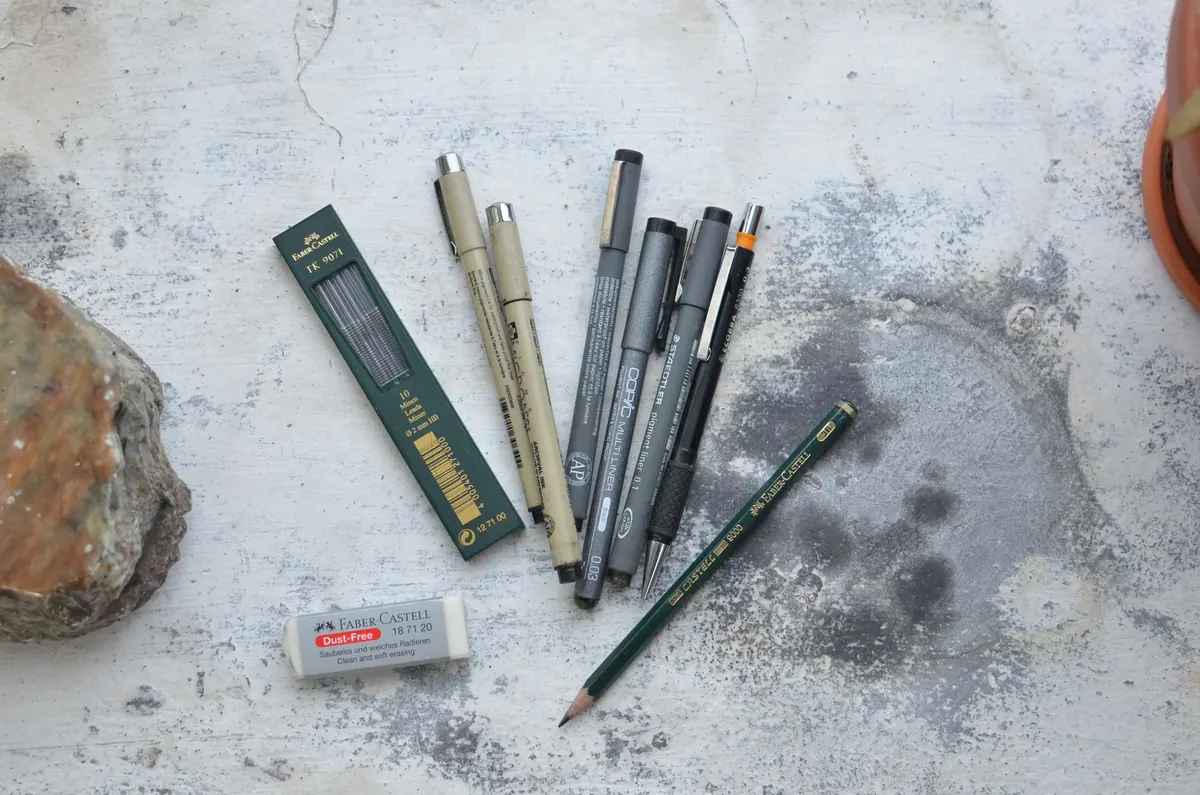
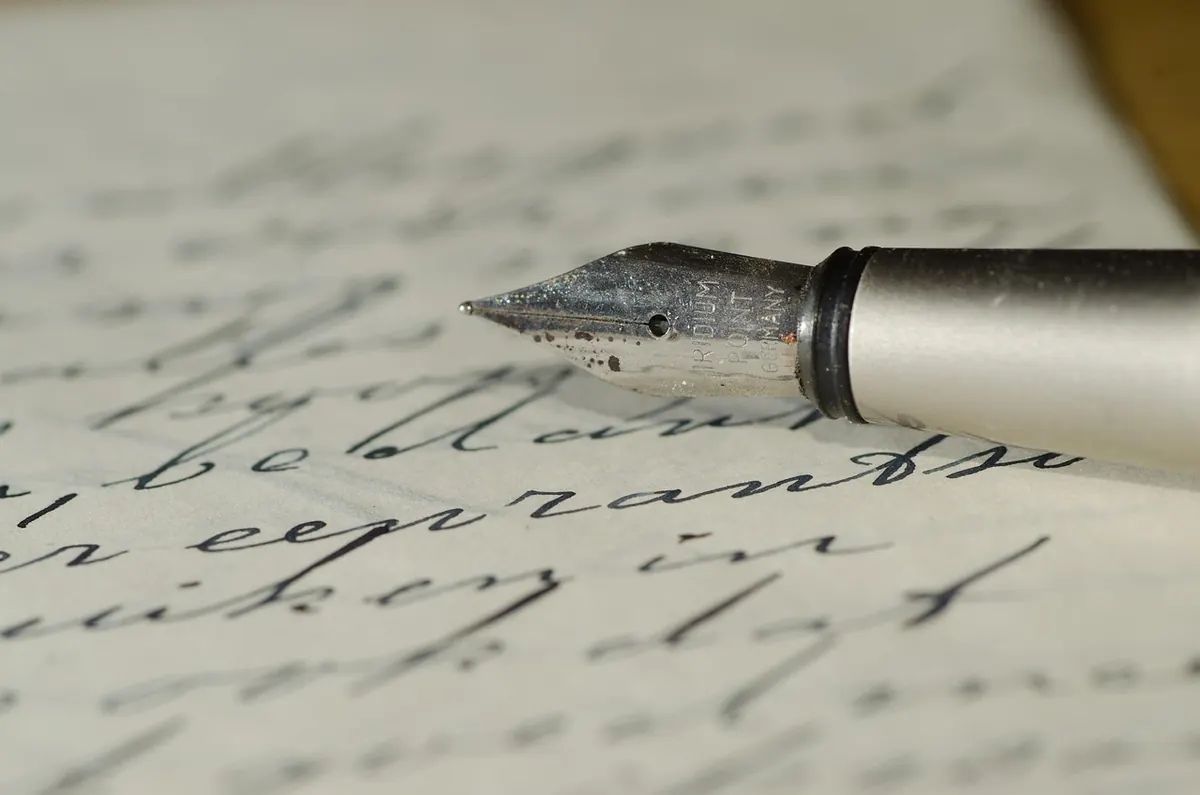
- One pen you like: a fountain pen, a gel roller, a pencil — whichever makes you want to write the next line.
Finish one notebook before buying the next. That single rule fixes most of the gear trap, and it makes the choice of a new book feel earned rather than hopeful.
Never Reading Back — or Reading Back Too Harshly
Some people never revisit a page, which means they miss the most valuable part of the practice: noticing patterns. Others reread and cringe at how repetitive or naive they sound, then stop writing altogether.
Aim for the middle. Once a month, skim the last few weeks with a pen in hand and mark one or two lines that still feel true. That is your index. Look for recurring worries and recurring sources of energy rather than judging the prose. If a past entry makes you wince, remember you are reading an earlier version of your thinking, not a finished piece of writing.
Building a Practice That Lasts
If you take nothing else from this, take the idea that consistency comes from small, boring rules rather than bursts of enthusiasm. Here is a workable starting point:
- Pick one notebook and one pen. Put them somewhere visible.
- Choose a daily anchor — after coffee, on the commute, before bed.
- Write the date and one honest sentence. Stop if you want to.
- Never miss two days in a row. Resume without catching up.
- Once a month, skim and mark one line worth keeping.
That routine takes a few minutes a day and, unlike a beautiful unfinished spread, it holds up over months. If you journal about health, money or legal worries and find yourself going in circles, it is worth talking to a qualified professional as well as writing it down — a notebook is a good place to think, not a substitute for advice.
Photo: 6689062 / Pixabay